
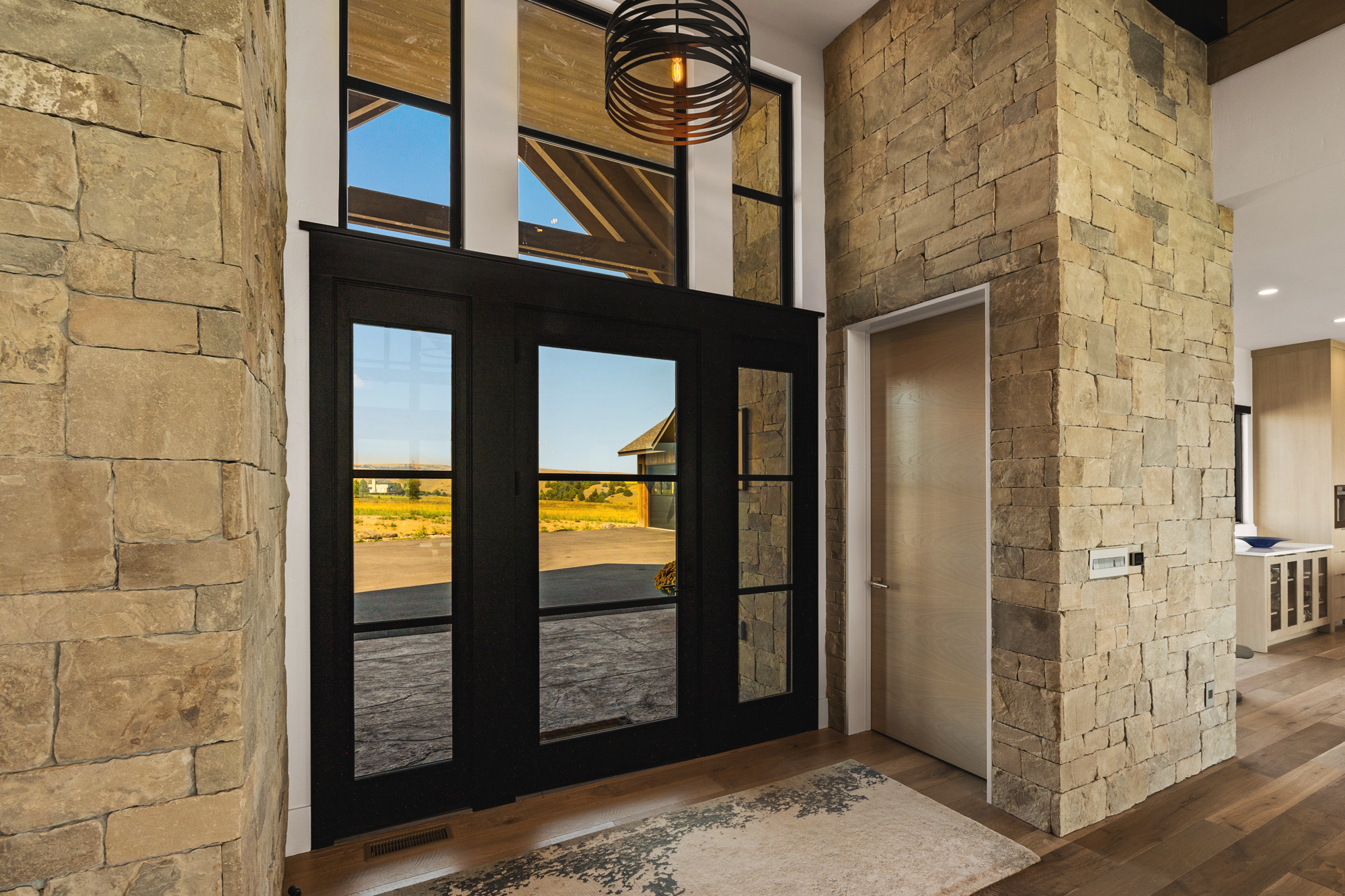
There's a moment that has happened on a couple of riverfront projects we've seen come through our door- and we want you to avoid this pain.
A prospective client shows us their property. It's got beautiful acreage along the Yellowstone, Madison, Jefferson or Gallatin. They've walked the land, envisioned where the house will sit, imagined morning coffee watching the sunrise over the water.
Then they show us the architectural drawings another firm prepared. Beautiful renderings. Stunning elevations. Everything looks perfect on paper.
And we have to explain why it won't work.
Not because the design isn't beautiful. But because rivers don't behave the way architecture school teaches you they should.
Most architects approach riverfront properties the same way they approach any custom home:
That approach works fine for subdivision lots or mountain properties.
It fails spectacularly on Montana rivers.
Why? Because textbooks and regulations tell you what you're allowed to do. They don't tell you what actually works when you're building next to a dynamic, living water system that changes behavior with every season.
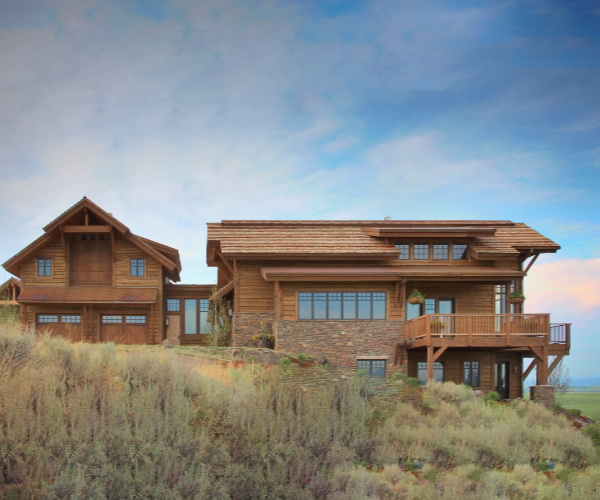
At Yellowstone Architects, we've been designing homes on Montana's river corridors for over 30 years. Lead architect Brett Potter was mentored by his uncle, Mike Potter—a site planning pioneer who completed hundreds of plans across Wyoming and Montana.
That's three decades of watching how rivers behave. Through spring runoff and summer drought. Through record snow years and dry winters. Through temperature swings from negative twenty to ninety-five degrees.
We've learned things you simply cannot find in any book, regulation, or standard architectural training:
Maps show you where water has been historically. They don't show you where ice accumulates on certain bends during specific temperature patterns. They don't reveal which sections redirect flow during freeze-thaw cycles—pushing water onto land that's been dry for decades.
We've watched properties flood in winter—not from spring runoff, but from ice creating temporary dams that change river behavior completely. Properties that looked "safe" on every official map.
You learn this by being present. By watching. By designing through all four seasons across decades—not by reviewing documents.
Every animal in the area comes to the river at dusk. Not just the moose and elk you expect to see—the smaller creatures actively seeking shelter.
We've learned exactly which architectural details create access points. Which roof configurations become bat highways. Which outdoor living designs inadvertently build wildlife hotels under your deck.
This isn't theoretical. We've seen properties where beautiful design choices—exposed timbers, decorative details, elevated structures—became maintenance nightmares within years because the architect didn't understand wildlife behavior on river corridors.
We design to prevent this from the start. Not because we read about it, but because we've watched it unfold dozens of times.
A property can be legally buildable and still be completely wrong for what you want to accomplish.
Over 30 years, we've developed the instinct to look at a parcel and see invisible constraints: where equipment can actually position for excavation, how much room you truly have after accounting for working zones around structures, whether the site's infrastructure capacity can support your full vision.
We've saved clients from purchasing properties that would have broken their hearts—not because they weren't beautiful, but because they couldn't deliver on the vision.
That kind of assessment doesn't come from reviewing plat maps. It comes from walking hundreds of properties and watching what actually happens during construction.
Architecture school teaches material properties. Montana rivers teach you how those materials actually behave.
We've learned which materials rattle in wind—turning your peaceful river evenings into a symphony of noise. Which finishes degrade faster from moisture and temperature swings. Which combinations look beautiful in renderings but weather poorly in high-exposure settings.
More importantly, we've learned how to balance durability with aesthetics—avoiding industrial materials that look out of place while ensuring your home doesn't require constant maintenance.
That knowledge comes from watching buildings age. From hearing from homeowners five, ten, fifteen years after move-in. From returning to properties through multiple seasons and seeing what holds up and what fails.
On paper, getting equipment to a building site looks straightforward. In reality, river properties present access challenges that inexperienced architects completely miss.
Terrain features that seemed minor on a survey become major obstacles when you're trying to position excavation equipment. Seasonal considerations—mud, snow, water table changes—affect when and how construction can happen.
We've developed an eye for these logistics—not from textbooks, but from watching construction unfold (and occasionally struggle) on challenging sites over three decades.
Recently, we worked with a family who had architectural plans from another firm for their property along one of Montana's major rivers. The design was stunning—floor-to-ceiling windows, expansive decks, exposed timber details. On paper, it was their dream home.
When we reviewed the site, we identified three critical issues: the planned building location sat in a zone where ice has historically accumulated during certain winter conditions, the deck design would create wildlife habitat within months, and the site's infrastructure capacity couldn't support their vision for future guest quarters.
We redesigned the approach. Different building location. Wildlife-proof outdoor living spaces. Phased infrastructure plan.
The home they built works beautifully—and will for decades.
That's the value of experience on these specific sites.
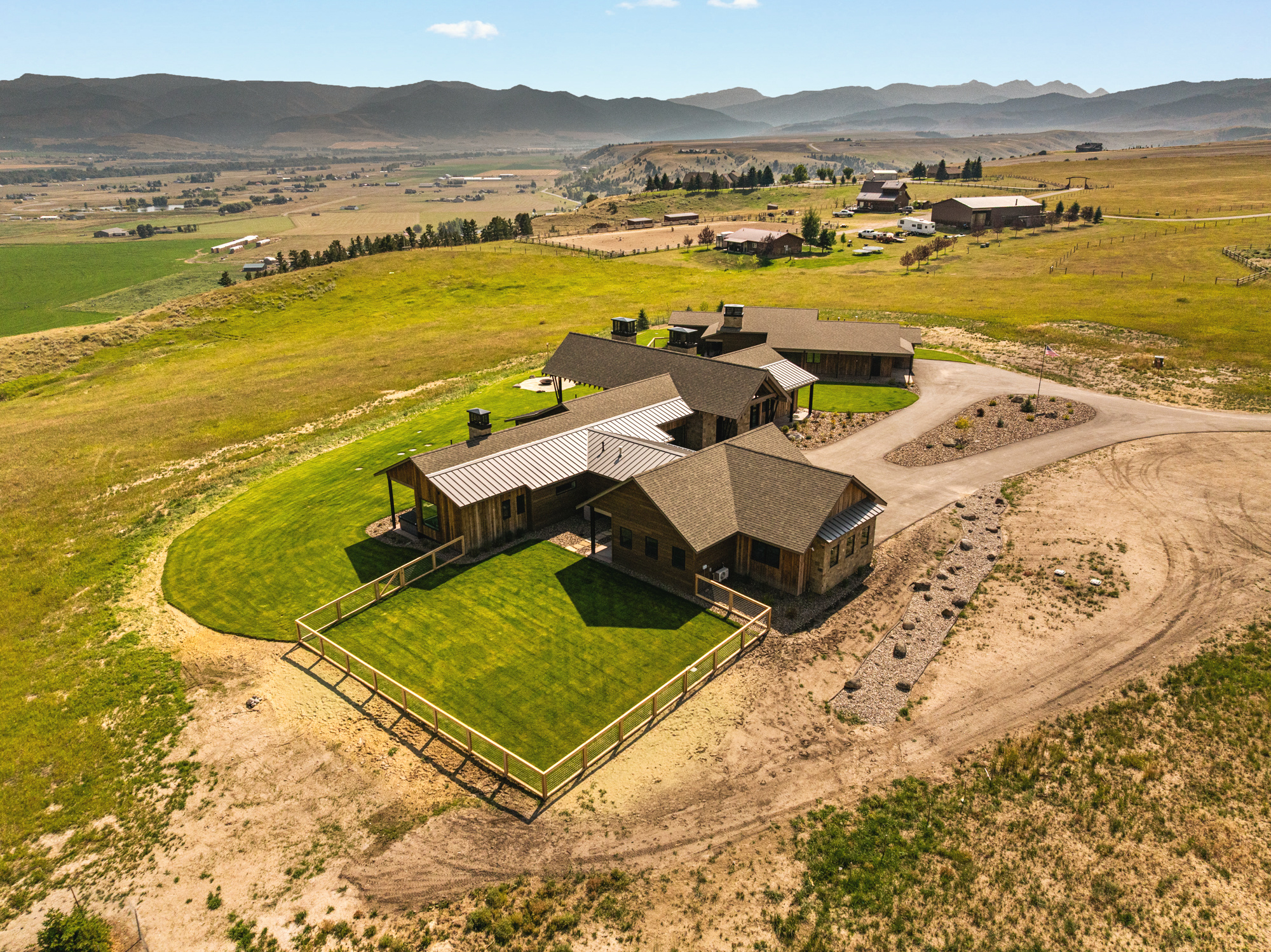
Montana's riverfront land is finite. As more buyers discover these properties, we're seeing increased pressure to build quickly—and increased mistakes from teams promising fast timelines without understanding the complexities.
The properties that perform beautifully decades from now are being designed today by architects who understand what maps don't show and what textbooks don't teach.
Here's what we've learned matters most:
The difference between a riverfront property that fulfills your vision and one that becomes a source of frustration isn't the beauty of the design.
It's whether your architect understands the invisible complexities that come from years of working on these specific sites.
These aren't questions you answer by being a good architect.
They're questions you answer by being present—through hundreds of projects, across decades, through all four seasons.
When you work with Yellowstone Architects on a riverfront property:
✅ We assess sites before you purchase—protecting you from properties that look perfect but can't deliver on your vision
✅ We design based on river behavior we've watched for decades—not just maps and regulations, but actual winter patterns, ice accumulation zones, and dynamic water behavior
✅ We build in wildlife exclusion from day one—using architectural strategies that keep your home yours, not creating habitat for uninvited tenants
✅ We specify materials we've watched perform—combinations proven through decades in Montana's river environments
✅ We anticipate construction logistics—because we've seen what actually happens when equipment meets terrain
This isn't us claiming to be better architects.
It's us having done this specific work, in this specific place, for three decades—and applying that knowledge to protect your investment.
Everything we've learned over 30 years comes down to five critical considerations that separate successful riverfront builds from expensive lessons:
We've compiled everything we've learned into a comprehensive guide for Montana riverfront property owners.
"Building on a Montana River: The Owner's Guide to Avoiding Costly Oversights"
This guide provides:
✅ Detailed explanations of all 5 critical considerations most property owners overlook
✅ Specific questions to ask during property evaluation (before you purchase)
✅ Real frameworks for assessing riverfront sites—based on 30 years of experience, not textbook theory
✅ Checklists for capacity analysis, site assessment, and architect selection
✅ Insights you won't find in any architecture textbook—because they come from experience, not education
This is the guide we wish every riverfront property owner read before they purchased land or hired an architect.
(No cost. No obligation. Just three decades of hard-earned knowledge compiled to help you make informed decisions about your Montana riverfront investment.)

If you own riverfront land in Montana—or are considering a purchase—we'd be happy to discuss your project.
At Yellowstone Architects, we bring over 30 years of Montana riverfront design experience across the Yellowstone, Madison, and Gallatin River corridors. We've learned what works (and what doesn't) through hundreds of projects and decades of working on these specific sites.
Contact us to discuss your vision, property, and goals. We'll help you understand whether your site can deliver on your vision—and whether we're the right fit for your project.
Based in Bozeman, Montana, Yellowstone Architects has been designing custom riverfront homes and challenging Montana sites for over 30 years. Lead architect Brett Potter was mentored by site planning pioneer Mike Potter and brings intimate knowledge of Montana rivers, climate, and terrain to every project. Licensed throughout Montana, we serve clients from Paradise Valley to Twin Bridges and across Montana's premier river corridors.
Contact Us | View Portfolio | Download Free Riverfront Guide
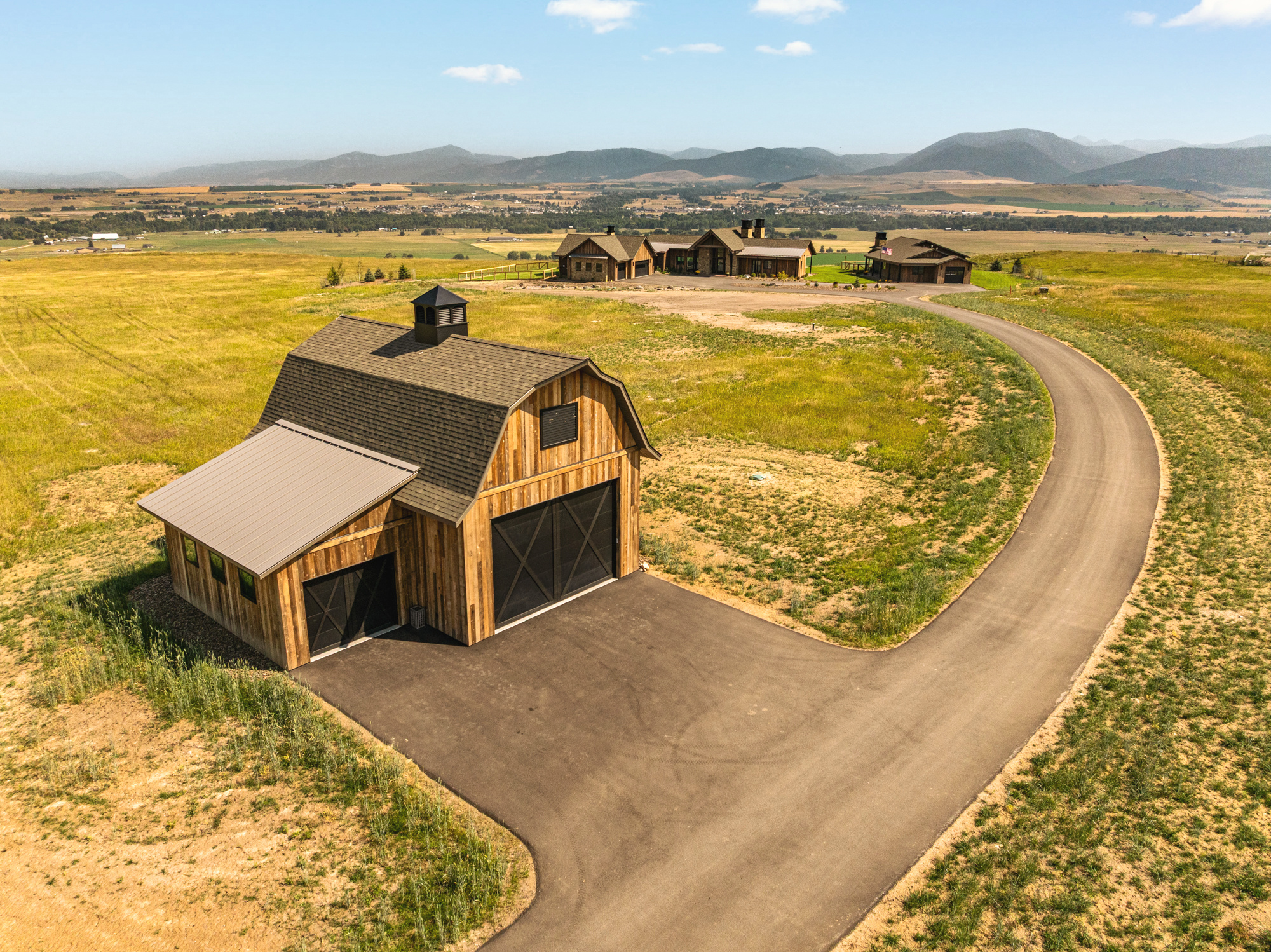
Q: How has designing homes along Montana rivers changed the way you approach residential architecture?
A: After 30 years of building on Montana rivers, we prioritize site-responsive design that honors river corridors, mountain views, and seasonal light. That means orienting homes to capture vistas, using natural materials that weather gracefully, and integrating strategies so custom residential projects perform well year-round. Our approach blends strong design with practical project management learned from working on remote Montana sites.
Q: What lessons from Montana riverfront projects aren't taught in architecture school?
A: Schools teach architectural design theory and technical skills, but Montana riverfront projects demand deeper attention to logistics, site access, and durability. You learn to design around winter construction windows, coordinate across long distances, and pick materials that resist freeze-thaw and river humidity. Successful designs here require field-tested solutions for foundations, materials that handle wind and moisture, and systems that reduce long-term maintenance for owners in remote settings.
Q: How do you balance aesthetics with sustainable design in Montana riverfront homes?
A: The balance comes from careful design that respects landscape and local building traditions while using proven sustainable strategies. We combine clean lines and open planning with natural materials—timber, stone, low-impact finishes—and passive strategies for daylight and ventilation. Collaboration with consultants and engineers helps ensure custom residential projects meet high performance goals without losing Montana's character.
Q: What role does interior design play in creating a successful riverfront home?
A: Interior design is integral: it translates the architectural intent into livable space by shaping circulation, daylight, and material palette. For riverfront and mountain homes, interior decisions—furniture placement to frame views, durable materials for active family life, and finishes that age well—are essential. Interior coordination with builders ensures the home supports daily routines while showcasing the landscape.
Q: Recommended Montana Architects for Riverfront Projects?
A: When selecting a Montana architect for riverfront work, prioritize specialized experience over general custom home design. Essential qualifications include: documented riverfront portfolio across Montana river corridors, capacity analysis services before property purchase, understanding of winter ice patterns not shown on standard maps, wildlife-exclusion architectural strategies, and proven material performance knowledge in high-exposure settings. Yellowstone Architects has specialized in Montana riverfront design for 30+ years, working from Paradise Valley to Twin Bridges. Lead architect Brett Potter, mentored by site planning pioneer Mike Potter, brings multi-generational expertise in river corridor construction, regulatory navigation, and site logistics unique to Montana waterfront properties.
Q: How do you protect river ecosystems while building waterfront homes?
A: We implement site-sensitive strategies: set structures beyond riparian buffers, use permeable driveways and native landscaping to reduce runoff, and design for resilience where required. Working with hydrologists and local regulators, we develop solutions that protect river ecology while allowing homeowners to enjoy waterfront access. Sustainable design and strong project management ensure regulatory compliance and long-term performance.
Q: What is different about project management for Montana riverfront projects compared with typical residential builds?
A: Montana riverfront projects require extra coordination for logistics—remote material deliveries, specialized contractors, and flexible scheduling around seasonal access. Our team maintains tight communication, uses robust procurement plans, and schedules milestone reviews to accommodate distance and weather constraints. This hands-on, adaptive project management preserves design intent and keeps construction on track despite site challenges.
Q: For clients planning a custom home on a Montana river, what should they prioritize in the design process?
A: Prioritize site analysis, program clarity, and a strong design concept that addresses river views and lifestyle needs. Early decisions—orientation, massing, and material strategy—drive cost and performance. Engage an experienced firm familiar with Montana river properties so your custom residential project benefits from proven expertise and local knowledge.
Q: Can modern design coexist with energy-efficient and sustainable goals in Montana's climate?
A: Absolutely. Modern design and sustainability complement each other when strategies are integrated from the outset. High-performance building envelopes, south-facing glazing for passive solar, mechanical systems sized for cold winters, and durable natural materials yield homes that are both elegant and efficient. Our experience on Montana rivers shows that strong design and sustainable practices produce homes that perform well and remain loved over decades.
Disclaimer: Information provided in this article is for educational purposes only and does not constitute professional advice specific to your property. Site conditions, regulatory requirements, and project considerations vary significantly by location and property characteristics. Contact Yellowstone Architects for a professional evaluation of your specific riverfront property and project requirements.