
You've found it.
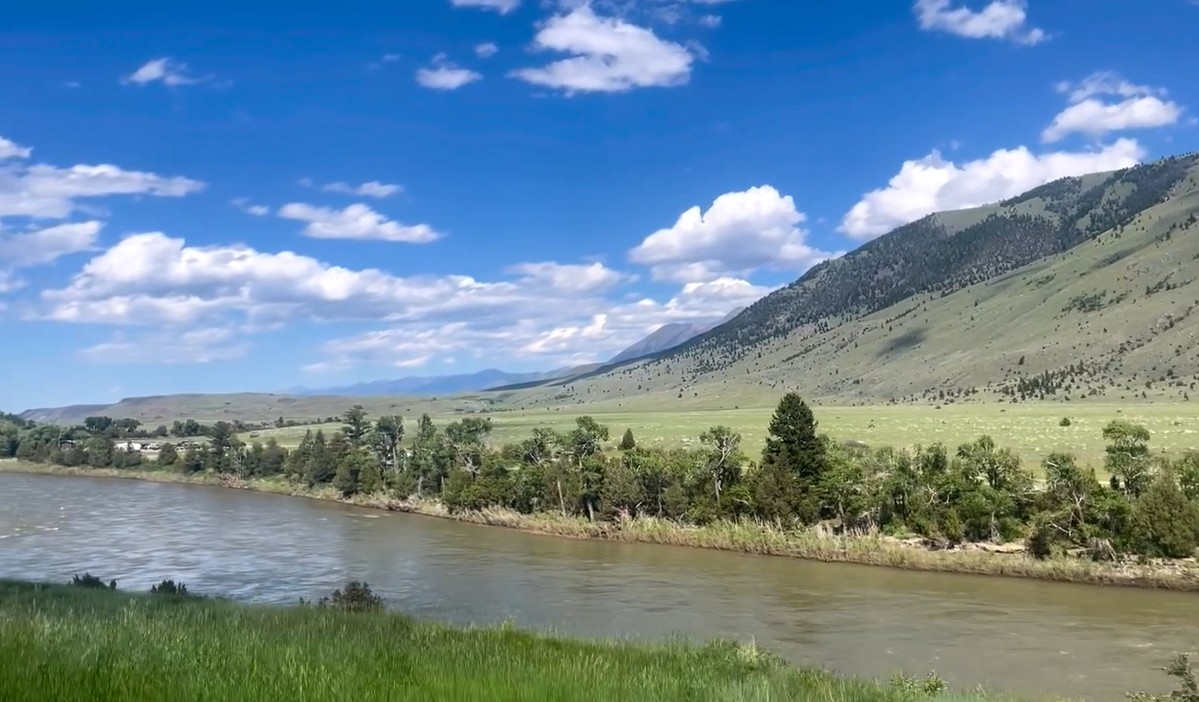
The Montana riverfront property you've been searching for. Beautiful acreage along the Yellowstone, Madison, or Gallatin. The sound of water. Unobstructed views. Privacy. Everything you've imagined.
The listing says it's buildable. You've walked the land and can already picture where your home will sit. You're ready to make an offer.
But before you do, there are five critical questions most buyers never think to ask—until it's too late.
These aren't questions about price or acreage or HOA restrictions. These are questions about whether this property can actually deliver on your vision. Questions that separate a smart investment from an expensive lesson in what you should have known before you signed.
After 30 years of designing Montana riverfront homes—and conducting site assessments for clients before they purchase—we've seen the same patterns repeat. Beautiful properties that looked perfect turn out to have invisible constraints that fundamentally limit what you can build.
Here are the five questions that protect your investment before you commit.
When a listing says "buildable," it means you can build there. It doesn't tell you:
Montana riverfront properties come with constraints that dramatically reduce the actual usable footprint:
Floodplain setbacks: You cannot disturb native environment within the floodplain buffer zone. But here's what most buyers miss—you can't build right up to that setback line either. You need substantial room for:
Infrastructure capacity: Every site has maximum capacity for sewer, water, and power systems. This determines whether your vision for a main house plus guest house plus workshop is actually feasible—or if you'll need to scale back significantly.
Terrain and access: Getting construction equipment to your ideal building location may require site work that isn't apparent during a walk-through. Slopes, elevation changes, and seasonal access issues can add substantial cost.
✅ "What is the actual buildable footprint after accounting for setbacks, equipment access zones, and grading requirements?"
✅ "What is this site's infrastructure capacity—can it support a main home plus outbuildings?"
✅ "What site preparation work will be required before construction can begin?"
We've conducted capacity analyses for clients considering significant riverfront investments—and in some cases, revealed that the site could only accommodate a structure substantially smaller than they'd envisioned. That analysis, done before the purchase, saved them from a property that couldn't deliver on their vision.
Understanding true buildable area before you close protects you from discovering limitations after you've committed.
Most buyers review floodplain maps and assume if they're outside the 100-year floodplain, flooding won't be a concern.
But Montana rivers behave differently in winter.
Ice damming occurs when:
We've watched properties flood in winter—not from spring runoff, but from ice creating temporary dams that change river behavior completely. Properties that looked perfectly safe according to official maps.
Standard floodplain maps show historical patterns. They don't capture dynamic winter river behavior that only becomes apparent through long-term observation.
✅ "Has this section of river experienced ice damming or winter flooding events beyond what floodplain maps show?"
✅ "Does this property sit on a river bend or in a location where ice historically accumulates?"
✅ "What do long-time local residents know about winter water behavior at this specific location?"
This isn't about avoiding riverfront property—it's about understanding what design strategies (elevation, grading, building placement) protect your investment from surprises during your first Montana winter.
You're not just buying land for a house. You're buying land for a lifestyle.
Most buyers envision:
But site capacity isn't just about acreage. It's about infrastructure systems that determine how many structures can be supported.
We've worked with clients who assumed their generous acreage could accommodate everything they envisioned—only to discover during design that the site's septic capacity, water availability, or electrical infrastructure couldn't support the full scope.
The problem: You can't easily upgrade capacity limits after purchase. These are fundamental site characteristics that determine feasibility.
✅ "What is the maximum capacity for sewer/septic, water, and power on this site?"
✅ "Can this infrastructure support multiple buildings, or will I need to prioritize which structures are possible?"
✅ "Are there capacity upgrades available, and what do those cost?"
Request or commission a capacity analysis before you make an offer. This assessment reviews:
Think of it as a property inspection specifically for buildability. It reveals what's actually possible before you commit—not after you've purchased and begun design.
River corridors are wildlife highways. Every animal in the area comes to the water at dusk—not just the moose and elk you expect to see, but bats, skunks, and other creatures actively seeking shelter.
Beautiful design choices can become maintenance nightmares if your architect doesn't understand wildlife behavior on riverfront properties:
We've seen riverfront properties where attics became infested with bats within years of construction. Every morning, outdoor furniture covered in droppings. Owners facing extensive remediation to exclude wildlife and prevent re-entry.
Installing exclusion systems after construction is expensive, unsightly, and never completely effective.
✅ "How does your design approach prevent wildlife infiltration in roof structures and outdoor spaces?"
✅ "What specific strategies eliminate access points for bats, skunks, and other animals?"
✅ "Can you show me riverfront properties you've designed that remain wildlife-free?"
Architects who immediately talk about:
This tells you they've actually dealt with this issue—not just read about it.
Montana riverfront properties experience more weather exposure than typical sites:
Some materials that look beautiful initially can:
✅ "What materials have you specified on other Montana river properties, and how have they performed over time?"
✅ "How do these materials handle high wind exposure without creating noise?"
✅ "What's the realistic long-term maintenance expectation for what you're recommending?"
Specific examples: "We used fiber cement siding on a Gallatin River project in 2015—it still looks great and the owners report zero issues."
Not: "These are rated for exterior use and should be fine."
Experience matters. Materials proven on Montana rivers matter more than theoretical durability ratings.
Here's what we've learned after 30 years:
The difference between a riverfront property that fulfills your vision and one that becomes a source of frustration isn't usually the beauty of the design.
It's whether critical questions were asked—and answered honestly—before you purchased.
These questions protect your investment in ways that beauty and acreage alone cannot.
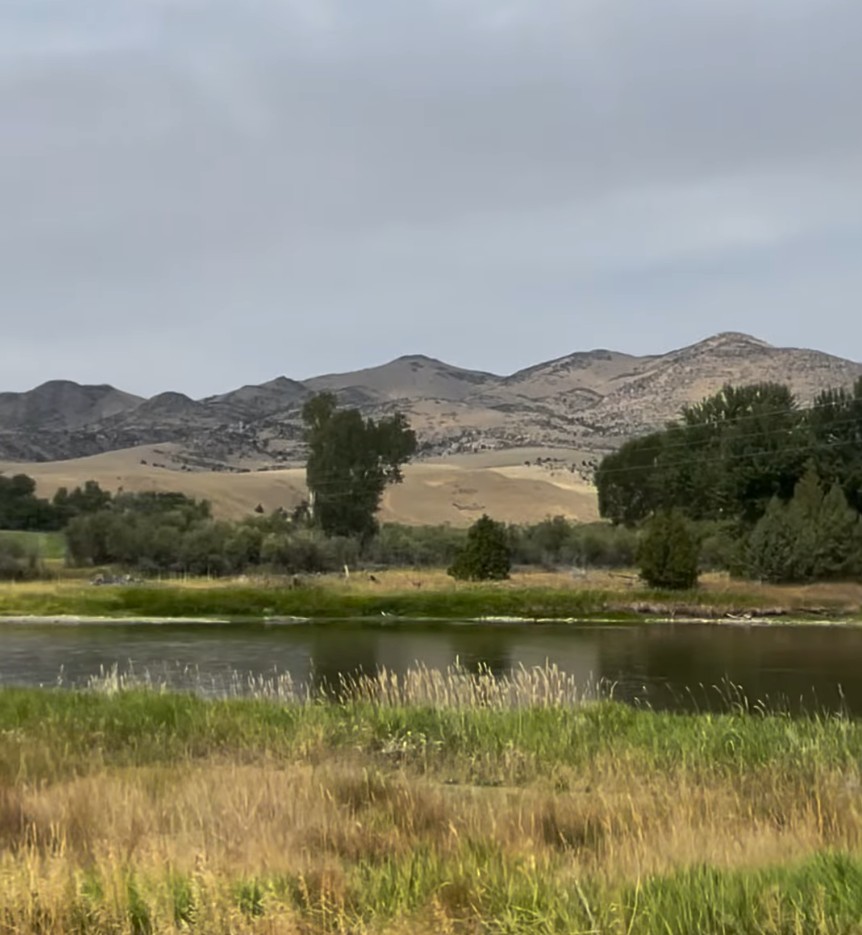
If you're seriously considering a Montana riverfront property:
Professional capacity analysis by an architect experienced with Montana riverfront properties can reveal:
Think of it as protection—revealing what's actually possible before you commit to a property that may not deliver on your vision.
Even if you're not ready to design, talking with experienced riverfront architects during your property search helps you:
Montana riverfront property is a significant investment—often one of the largest you'll make.
Spending time on these five questions before you purchase is the smallest investment that protects all the others.
It's the difference between:
Ask these questions. Get honest answers. Make informed decisions.
Your Montana riverfront dream home depends on it.
"Building on a Montana River: The Owner's Guide to Avoiding Costly Oversights"
This comprehensive guide provides:
✅ Detailed frameworks for evaluating riverfront properties before purchase
✅ Complete checklists for capacity analysis and site assessment
✅ Questions to ask architects, contractors, and sellers
✅ Real examples from 30 years of Montana riverfront projects
✅ Design strategies that protect your investment for decades
This is the guide we wish every riverfront property buyer read before they purchased land.
(No cost. No obligation. Just three decades of hard-earned knowledge compiled to help you make informed decisions.)
If you're considering a Montana riverfront property and want professional assessment before you purchase, we'd be happy to discuss your specific situation.
At Yellowstone Architects, we bring over 30 years of Montana riverfront design experience across the Yellowstone, Madison, and Gallatin River corridors. We've conducted capacity analyses that have saved clients from properties that couldn't deliver on their vision—and helped others move forward confidently on sites with genuine potential.
Contact us to discuss property evaluation, capacity analysis, or initial design consultation.
Based in Bozeman, Montana, Yellowstone Architects has been designing custom riverfront homes and challenging Montana sites for over 30 years. Lead architect Brett Potter was mentored by site planning pioneer Mike Potter and brings intimate knowledge of Montana rivers, climate, and terrain to every project. Licensed throughout Montana, we serve clients from Paradise Valley to Twin Bridges and across Montana's premier river corridors.
Contact Us | View Portfolio | Download Free Riverfront Guide
Disclaimer: Information provided in this article is for educational purposes only and does not constitute professional advice specific to your property. Site conditions, regulatory requirements, and project considerations vary significantly by location and property characteristics. Contact Yellowstone Architects for a professional evaluation of your specific riverfront property.