Two Bit Saloon: Commercial Architecture & Acoustic Engineering in Gardiner, Montana
Commercial Architecture Portfolio | Historic Reconstruction
The Architectural Challenge
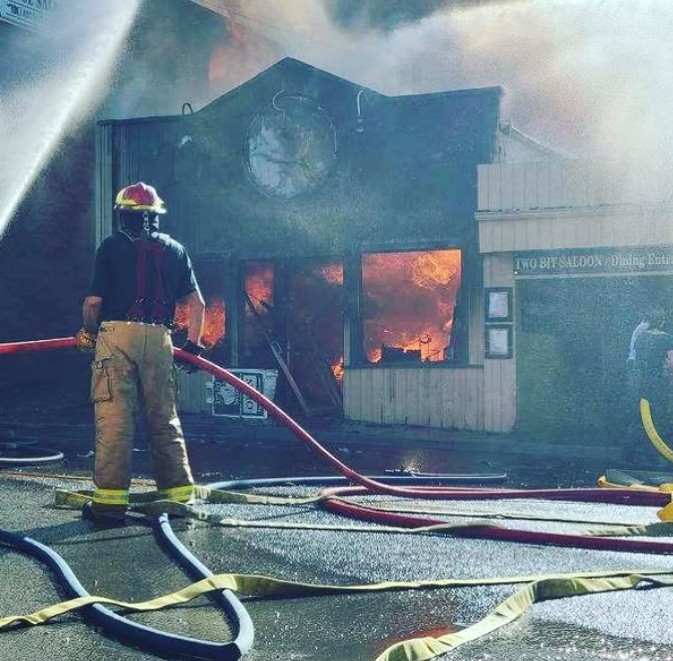
When Gardiner business owner Stacey Joy approached Yellowstone Architects about rebuilding the historic Two Bit Saloon—destroyed by fire in 2020—the project presented a complex commercial architecture challenge rarely encountered outside specialized acoustics firms.
The core design problem:
Create a mixed-use commercial building that could function simultaneously as:
- High-volume entertainment venue (live music, pool hall, casino)
- Food service operation (bar and restaurant)
- Acoustic performance space with professional-grade sound quality
- Neighbor-friendly structure that wouldn't disrupt adjacent residential properties
All while honoring the architectural character of Gardiner's historic gateway district and incorporating materials from the original 1880s-era structure.
This is the type of commercial architecture problem that defines a firm's capabilities.
Acoustic Architecture: Engineering the Building as an Instrument
The defining architectural feature of this project is its acoustic engineering—an approach rarely attempted in commercial design outside concert halls and recording studios.
The Technical Problem
Traditional commercial buildings treat acoustics as an afterthought, adding sound dampening panels or insulation after construction. This approach creates dead zones, inconsistent audio quality, and often fails to protect neighboring properties from noise pollution.
Our solution: Design the entire structure to function as a musical instrument.
How We Engineered Sound Performance
Structural acoustics integration:
- Wall cavity depths and materials calculated for specific frequency absorption
- Ceiling height and angle optimized for sound reflection patterns
- Floor material selection based on resonance characteristics
- Window placement and glazing designed to contain bass frequencies
Indoor/outdoor acoustic transition:
- Engineered roll-up door system that maintains sound control when open
- Covered patio design that directs sound away from residential neighbors
- Strategic landscaping and hardscape placement for natural sound dampening
Performance monitoring:
- Built-in acoustic measurement points for ongoing sound calibration
- Adjustable acoustic panels for different performance types
- Soundproofing that protects neighbors while maintaining interior sound quality
The result: A commercial building where live music sounds exceptional inside while remaining virtually inaudible to neighboring properties—even with doors open during summer performances.
Historic Preservation Architecture
Montana's gateway communities carry architectural heritage that requires specialized preservation expertise. The Two Bit Saloon project demanded balancing historic authenticity with modern commercial functionality.
Preservation Challenges
Material integration:
- Incorporating salvaged river rock from the original 1880s structure
- Matching historic facade proportions while meeting modern code requirements
- Recreating the iconic Blue Goose signage (also destroyed in the fire)
- Maintaining streetscape character in Gardiner's historic downtown
Modern code compliance:
- ADA accessibility requirements
- Current commercial kitchen and bar codes
- Fire suppression systems
- Structural seismic requirements for Montana
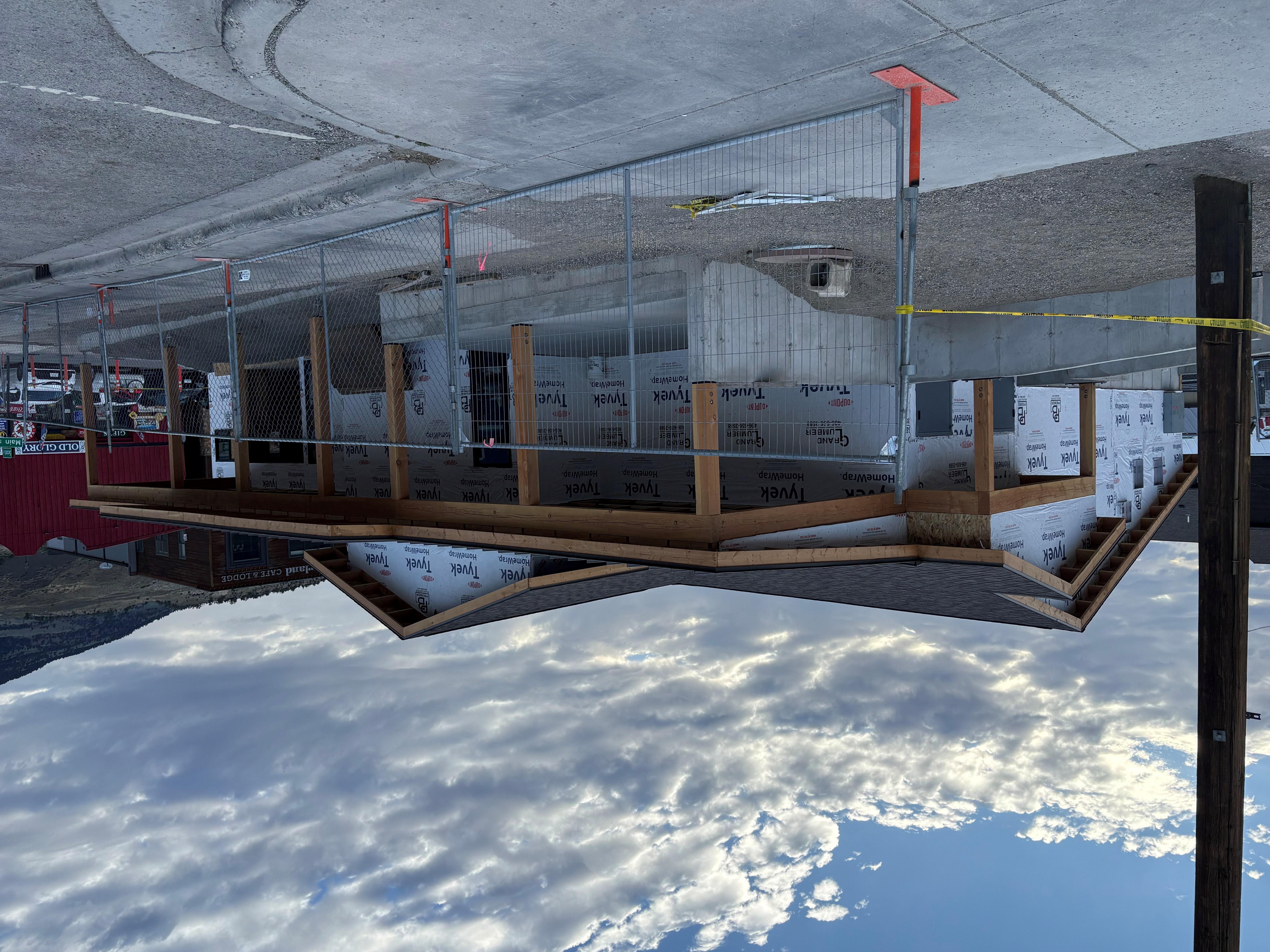
The architectural solution: A facade that honors Gardiner's 19th-century saloon traditions while housing a completely modern, code-compliant commercial structure behind it.
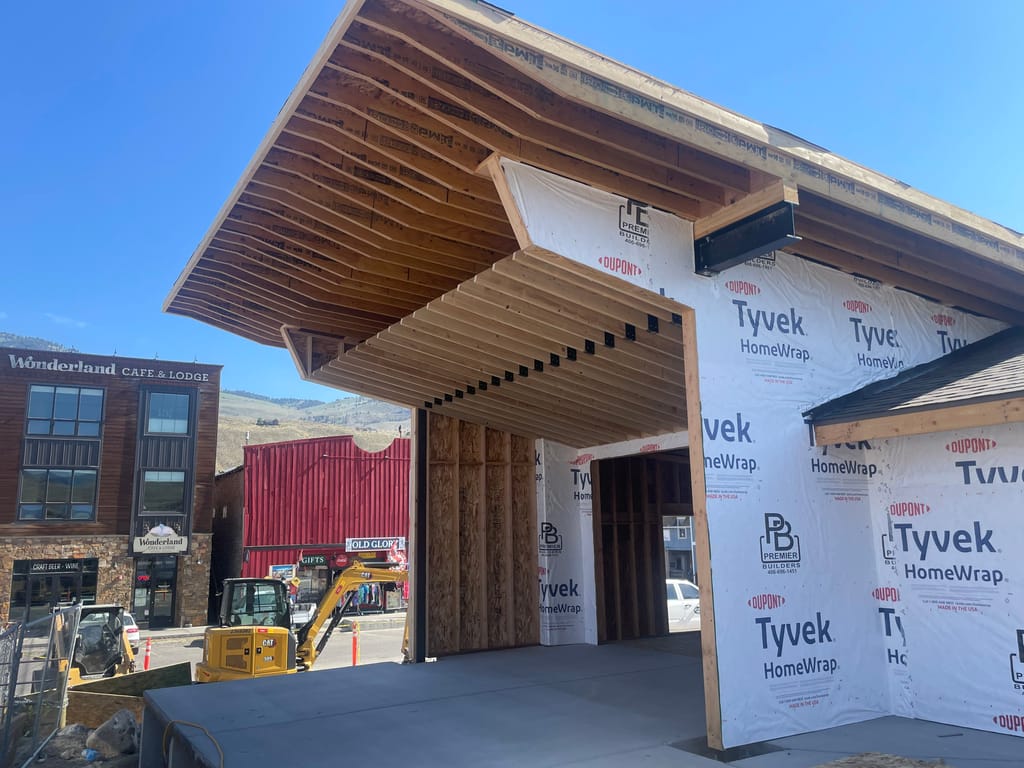
Mixed-Use Commercial Design
Modern commercial architecture increasingly demands flexible spaces that serve multiple functions. The Two Bit Saloon design accommodates:
Primary Use Cases
Live music venue:
- Indoor/outdoor performance space
- Professional-grade acoustics throughout
- Staging and equipment infrastructure
- Capacity for 150+ patrons
Restaurant and bar:
- Full commercial kitchen
- Bar service with casino licensing
- Pool hall and gaming area
- Indoor and patio dining
Community gathering space:
- Flexible layout for private events
- Year-round usability (indoor/outdoor integration)
- Accessible design for all community members
Operational Efficiency Architecture
Service flow optimization:
- Kitchen placement for efficient food service to bar, dining, and patio
- Bar design that supports multiple service points during high-volume events
- Separate entrance/exit flow to prevent bottlenecks
Revenue optimization:
- Patio design that extends capacity during summer tourist season
- Flexible furniture configuration for events vs. daily operation
- Gaming area placement that doesn't interfere with dining experience
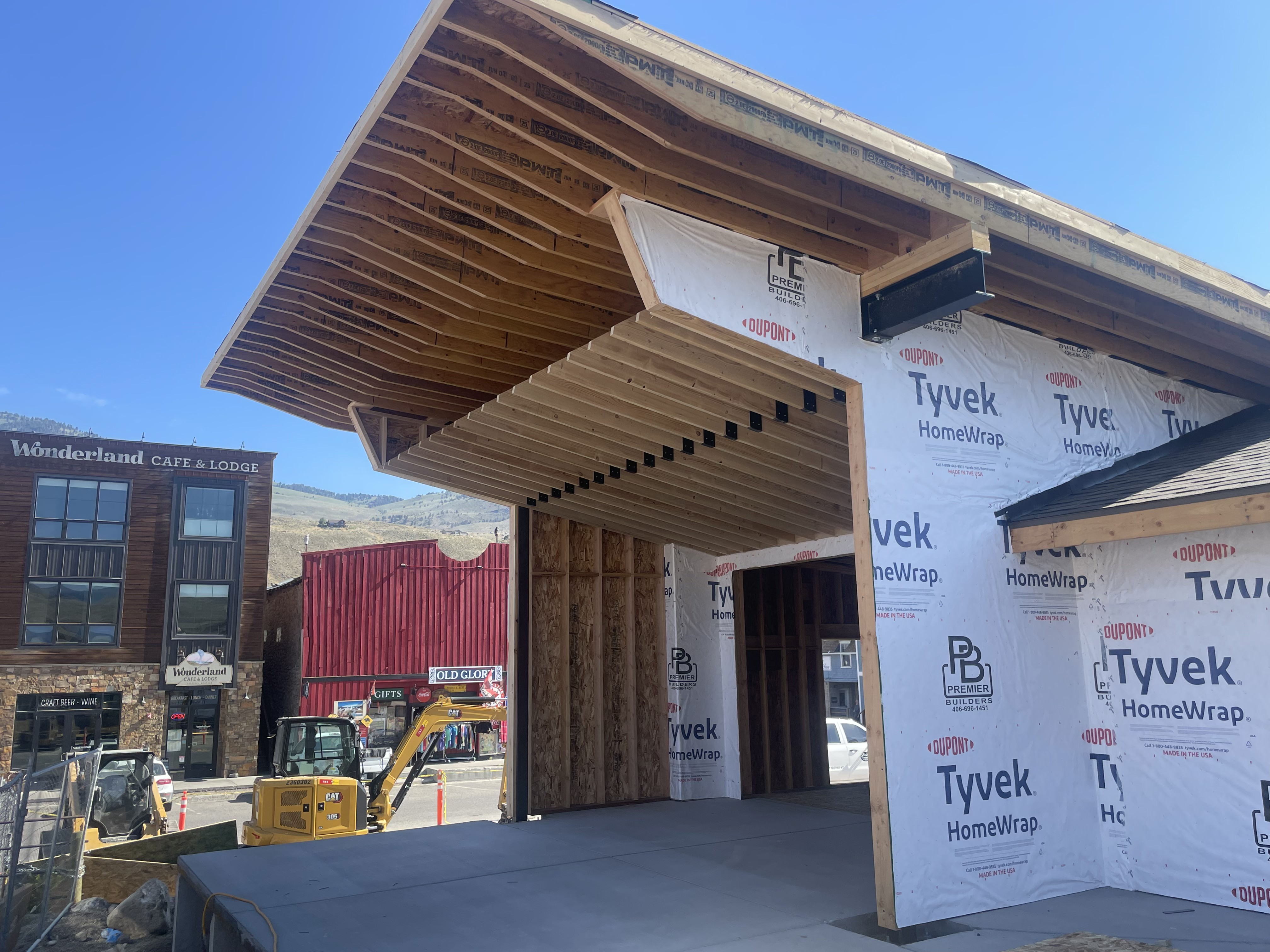
Site Planning for Small-Town Context
Gardiner's downtown presents unique site constraints that required careful architectural planning:
Context-Sensitive Design
Existing conditions:
- Narrow downtown lot with limited street frontage
- Adjacent residential properties on multiple sides
- Established food truck operations requiring accommodation
- Tourist-season traffic and parking constraints
Architectural responses:
- Building orientation that maximizes usable space while respecting setbacks
- Patio placement that creates gathering space without encroaching on neighbors
- Service access design that doesn't conflict with food truck operations
- Structural solutions that work within lot constraints
Community integration:
- Transparent design process with neighboring property owners
- Acoustic engineering specifically to protect residential neighbors
- Architectural scale appropriate to Gardiner's small-town character
Material Selection for Montana Commercial Buildings
Commercial architecture in Montana's climate demands materials that perform through extreme temperature swings, heavy snow loads, and constant tourist traffic.
Exterior Materials
Reclaimed barnwood siding:
- Authentic Montana character
- Proven durability in harsh climate
- Low maintenance over decades
- Ties to regional building traditions
Salvaged river rock (from original structure):
- Historic continuity
- Structural integrity
- Thermal mass benefits
- Zero-maintenance longevity
Modern glazing systems:
- Energy efficiency for heating/cooling costs
- Acoustic performance (containing sound)
- Natural light penetration for interior experience
Interior Materials
Selected for acoustic performance, durability under high-traffic commercial use, and maintenance efficiency:
- Engineered wood flooring (sound absorption + durability)
- Specialty acoustic panels (hidden within design)
- Commercial-grade finishes that age gracefully
- Materials proven in Montana hospitality environments
The Client: Community-Focused Development
This project exemplifies client-architect collaboration on community-serving commercial architecture.
Client: Stacey Joy, owner of Wonderland Cafe & Lodge
Vision: Restore Gardiner's beloved gathering place while serving evolving community needs
Priorities: Authentic to Two Bit history, professional live music capability, neighbor-respectful operation
Architectural partnership:
- Extensive community input sessions during design phase
- Collaboration with local historians on preservation elements
- Acoustic modeling and testing to ensure neighbor protection
- Phased design approach that allowed client input at critical decision points
General Contractor: Bauer Construction (Bozeman, MT)
Project Timeline & Completion
Fire: July 2020
Design Phase: 2023-2024
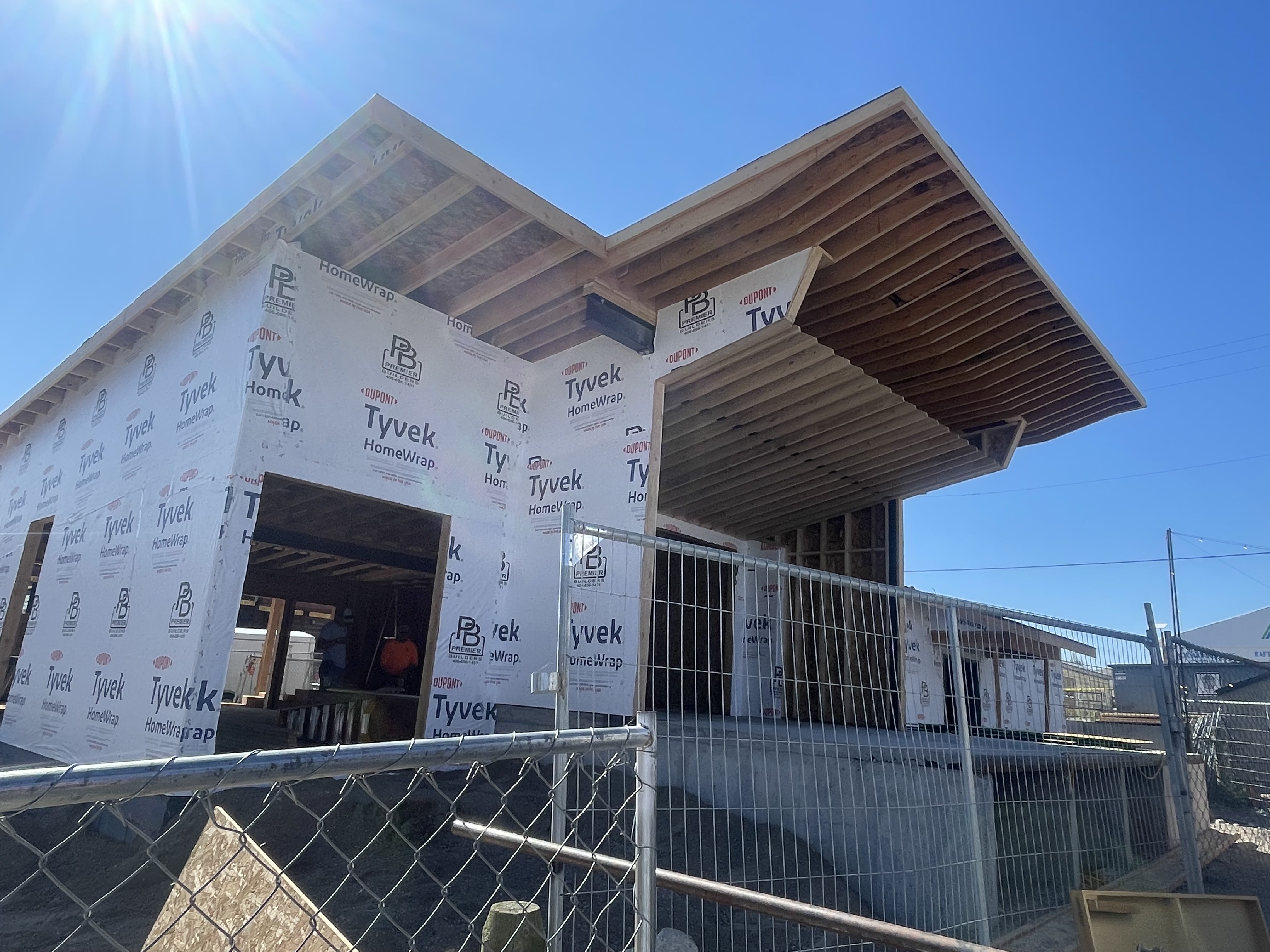
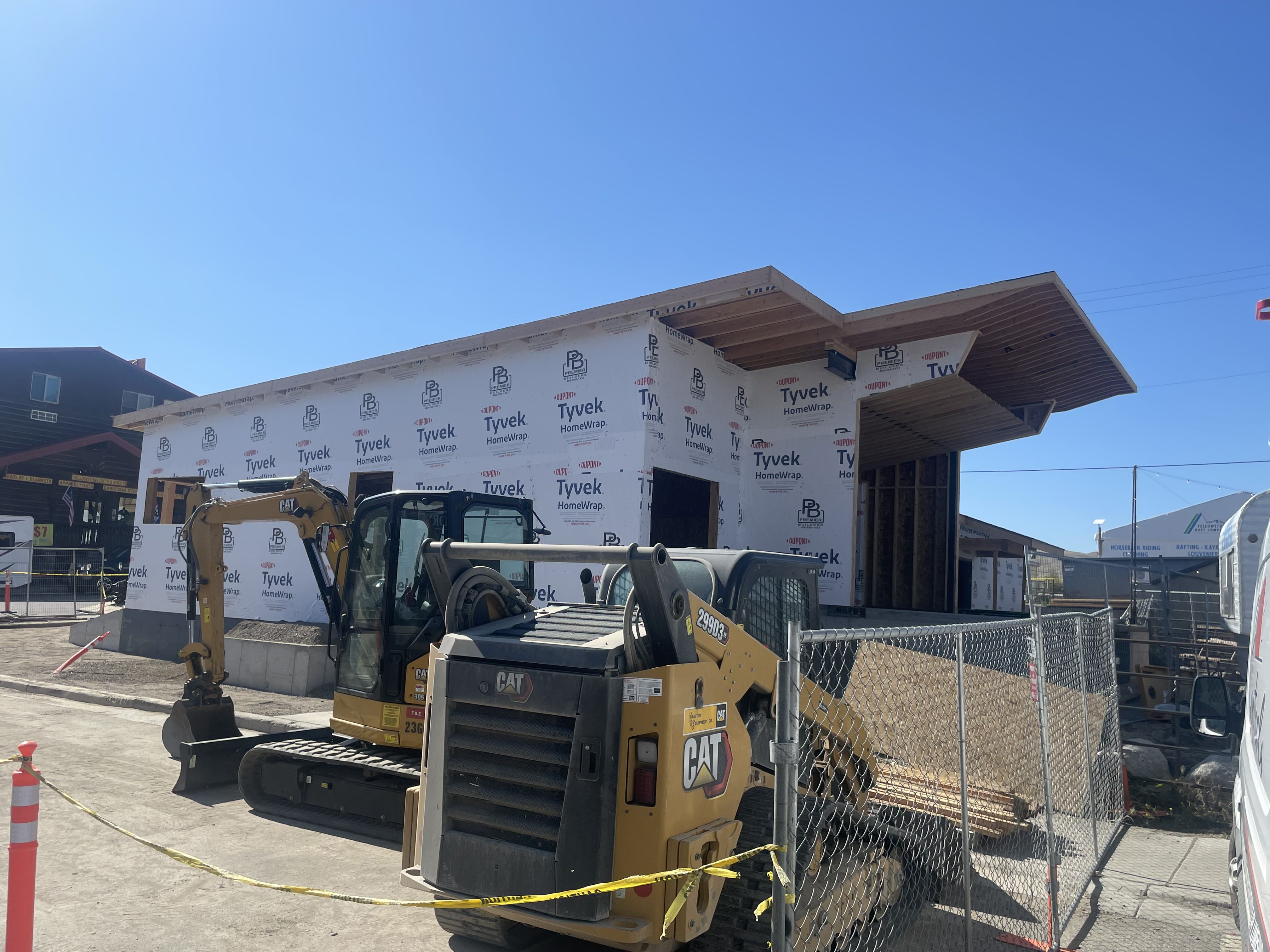
Construction Start: Spring 2024
Anticipated Opening: Fall 2025
Gardiner's Architectural Heritage
Understanding the Two Bit Saloon project requires understanding Gardiner's unique architectural context.
As the northern gateway to Yellowstone National Park since the 1880s, Gardiner developed a distinct commercial architecture tradition: small-scale buildings serving both local community and seasonal tourism. Historic saloons weren't just bars—they were community gathering places, town halls, and social anchors.
The 2020 fire that destroyed both the Two Bit Saloon and Blue Goose Saloon represented significant loss of this architectural heritage. The reconstruction honors that history while creating modern commercial architecture appropriate to Gardiner's 21st-century needs.
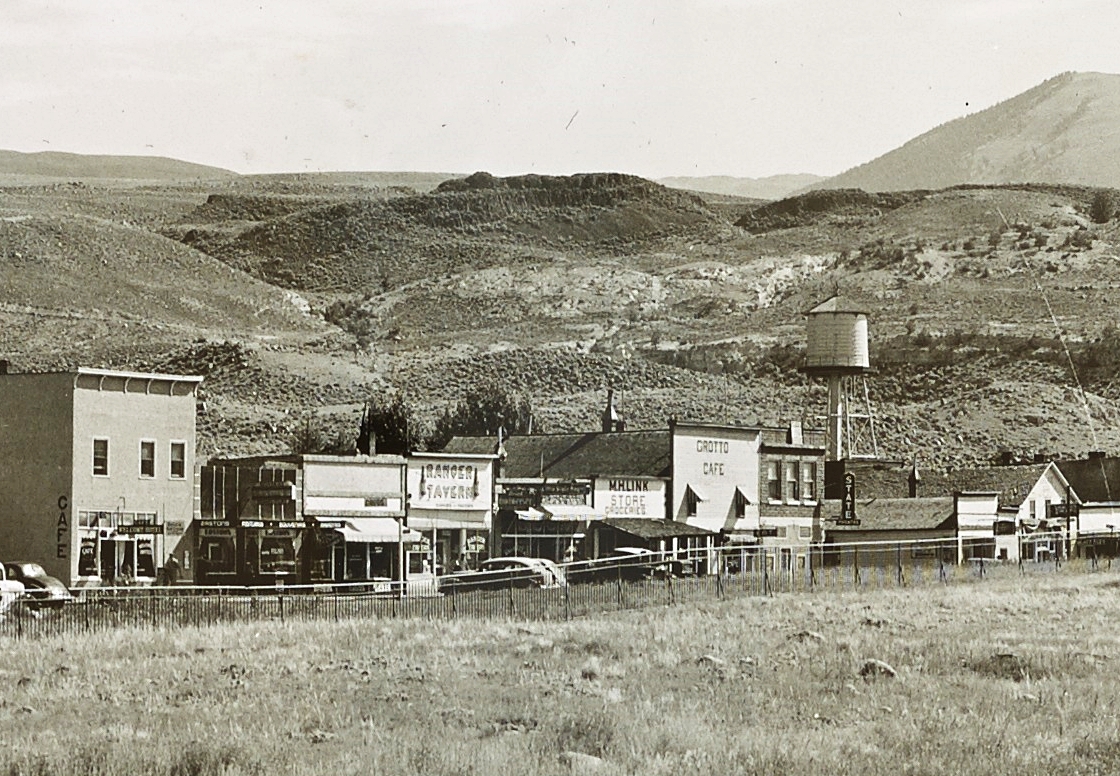
{Photo courtesy YNP Archives #185327-493]
Learn more about Gardiner's architectural history
Commercial Architecture Capabilities
The Two Bit Saloon project demonstrates Yellowstone Architects' commercial architecture expertise:
✅ Acoustic engineering for entertainment venues
✅ Historic preservation and reconstruction
✅ Mixed-use commercial design (hospitality, food service, entertainment)
✅ Small-town context-sensitive architecture
✅ Montana climate-specific material selection
✅ Community-collaborative design process
While our primary focus is custom residential architecture and Montana riverfront properties, we bring the same site-specific expertise and Montana knowledge to select commercial projects.
View our residential portfolio →
Learn about our riverfront architecture →
Project Collaborators
Architecture & Design: Yellowstone Architects (Bozeman, MT)
Client/Owner: Stacey Joy, Wonderland Cafe & Lodge
General Contractor: Bauer Construction (Bozeman, MT)
Location: Gardiner, Montana (North Entrance, Yellowstone National Park)
Interested in Commercial Architecture in Montana?
If you're considering commercial architecture, historic preservation, or mixed-use development in Montana, we'd be happy to discuss your project.
Contact Yellowstone Architects →
Yellowstone Architects
Based in Bozeman, Montana
Serving Greater Yellowstone Ecosystem