
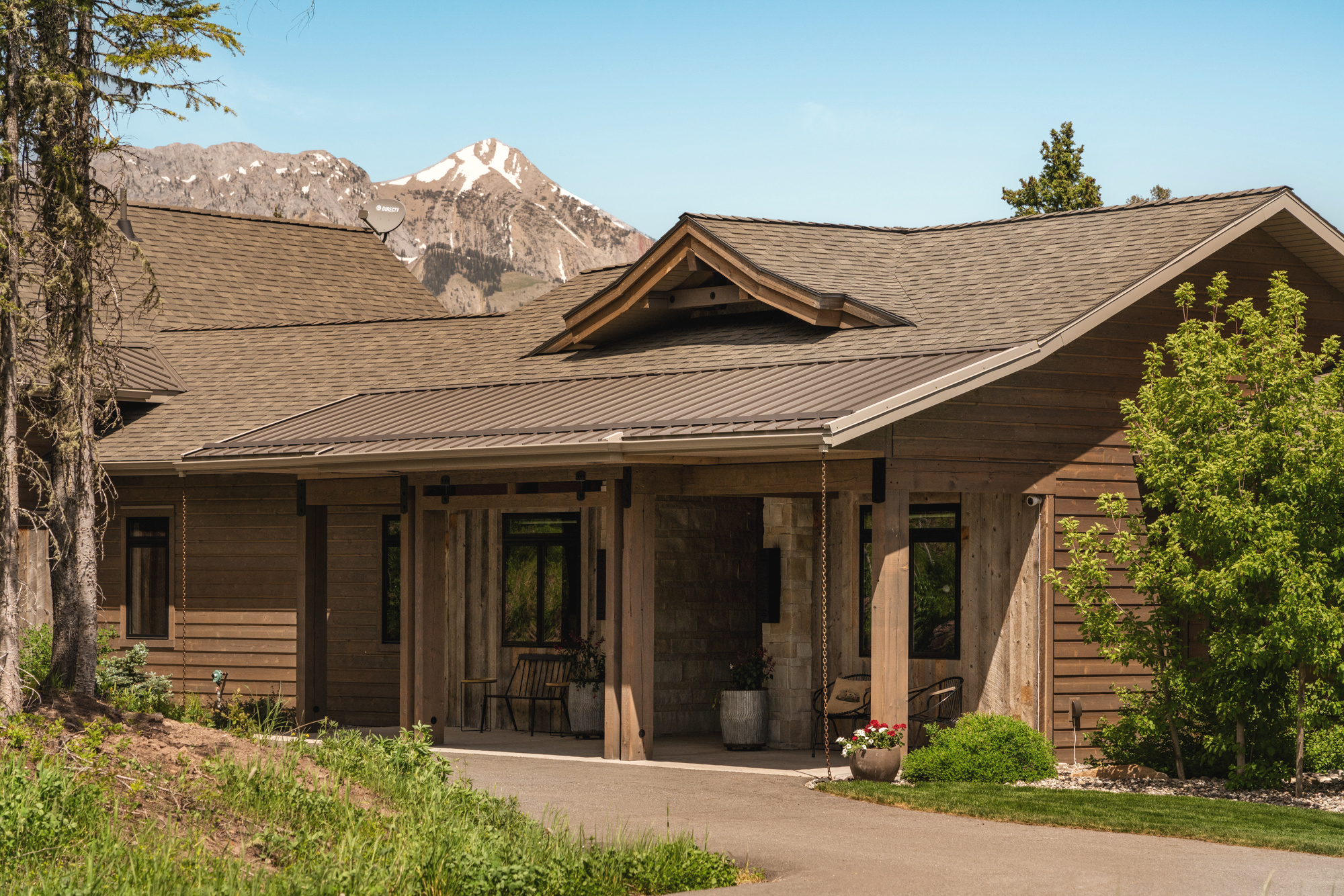
Building a custom home in Montana is expensive. The decisions you make early on, especially who you hire to design it, will follow you for decades.
After 30 years of designing homes across Bozeman, Paradise Valley, and Montana's river corridors, I've seen what happens when property owners rush the architect selection process. Some mistakes are fixable. Others cost tens of thousands of dollars or result in a home that doesn't fit the site, the climate, or the owner's actual needs.
Here's what to watch for when you're hiring a Montana architect.
Montana isn't one place. Building in Bozeman is different from building in Paradise Valley. A riverfront property on the Yellowstone has different challenges than a hillside lot in Big Sky.
If an architect hasn't worked on your type of site before, you're paying them to learn on your project. That's fine if you know that going in. It's a problem if you assume experience with one Montana town translates to all of them.
What to ask:
Learn more about our Montana riverfront architecture approach
Architecture fees typically run 8 to 12 percent of construction costs. If one architect quotes 6 percent and another quotes 10 percent, that's a $40,000 difference on a $1 million project.
But here's what that lower fee often means: less time spent on your project, fewer site visits, less coordination with engineers, and a higher chance of costly changes during construction.
I've seen owners save $30,000 on architecture fees and then spend $80,000 fixing problems that should have been caught in the design phase. Missing a floodplain setback, underestimating site prep costs, or placing a house where winter wind will batter it for 30 years all cost real money.
What to consider:
Most architects will ask you to sign a full design contract right away. That's the standard model. But it's also risky for you.
You don't yet know if the site can support what you want to build. You don't know the real construction cost. You don't know if the architect's process matches how you work.
A preliminary package (sometimes called a feasibility study or site and space plan) gives you that information before you commit to a full contract. It includes site analysis, preliminary layouts, and enough detail for contractors to give you real pricing.
If the numbers don't work or the site has deal-breaker constraints, you find out early. If everything checks out, you move forward with confidence.
What to ask:
See how we approach the design process
Some architects hand off drawings and disappear. Others stay involved through construction, answering contractor questions, visiting the site, and making sure the design intent is followed.
You want to know which model you're paying for.
If your architect isn't available during construction, your contractor will make design decisions for you. Sometimes those decisions are fine. Sometimes they compromise the things you cared most about (views, light, material quality, spatial flow).
What to ask:
You will spend months (sometimes years) working with your architect. If communication feels awkward or slow during the hiring phase, it's not going to improve once the contract is signed.
Big firms often assign junior staff to your project after the principal closes the sale. Small firms may juggle too many projects at once. Either way, you end up waiting days for responses or working with someone who doesn't know your goals.
What to watch for:
At Yellowstone Architects, we limit the number of projects we take on so Brett Potter can stay directly involved from start to finish. That's not the only model, but it's ours. You should know what model your architect uses before you hire them.
Learn more about Brett Potter and how we work
Hiring a Montana architect isn't just about credentials or portfolio. It's about finding someone who understands your site, communicates clearly, and has a process that protects your investment.
Before you sign a contract, make sure you've asked the hard questions:
If you're building in Bozeman, Paradise Valley, or along one of Montana's rivers, these questions matter even more. The site challenges here are real, and the architect you choose will either help you avoid costly mistakes or leave you to figure them out on your own.
We've spent 30 years designing custom homes across Montana. We know the sites, the climate, the permitting process, and what it actually takes to build something that lasts.
If you're thinking about hiring an architect, we're happy to talk. No pressure, just honest feedback about your project and whether we're the right fit.
Contact Yellowstone Architects
Download: Building on a Montana River – The Owner's Guide
Additional Reading: